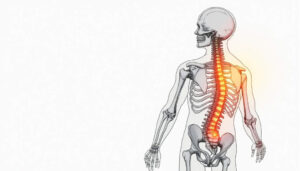

Quick answer: Physical therapy reduces chronic pain by restoring strength, flexibility, and mobility through targeted, evidence-based exercise and hands-on techniques. It works best alongside interventional treatments like injections and radiofrequency ablation, helping relief last longer and reducing reliance on medication.
What physical therapy targets
- Reducing pain and inflammation
- Improving strength, flexibility, and endurance
- Restoring functional mobility and independence
- Teaching self-management to prevent flare-ups
The core techniques
Therapeutic exercise is the foundation: stretching, strengthening, core stabilization, and low-impact aerobic conditioning. Hands-on manual therapy (massage, joint mobilization, and myofascial release) eases muscle tension and stiffness, which can improve the results of injections and nerve blocks.
Why it works best in combination
Paired with diagnostic nerve blocks, image-guided injections, radiofrequency ablation, or peripheral nerve stimulation, physical therapy helps patients hold their results longer and depend less on medication.
Frequently asked questions
Can physical therapy alone fix chronic pain?
It’s a powerful tool on its own and even more effective when combined with interventional pain treatments.
How long before physical therapy helps?
Many patients notice gains within a few weeks of a consistent, personalized program.
Will physical therapy replace my medication?
It often reduces reliance on medication as part of a broader, multidisciplinary plan.
A personalized therapy plan can make your other treatments work better and last longer. Schedule a consultation with Interventional Spine Specialists of Florida: call (954) 708-1184 or book online here.